Featured

The Prohibition of Cannabis

The prohibition of Cannabis has been a long process carried out over the course of a century in the United States of America. It started in the 20th century due to political, cultural, and economic concerns of the US government. The public perception of the cannabis plant changed as other cultures spread into the West. Some of the first users of Cannabis in America were African Americans in New Orleans and Mexican immigrants. Cannabis played a large role in the culture of Mexican immigrants as well as in the Jazz culture of New Orleans.

In the 1910’s, Mexican citizens came to America escaping the violence of the Mexican Revolution, and sailors and immigrants from the Caribbean into New Orleans. The prohibition of cannabis was born out of racial prejudice and fear. Cannabis was referred to by the Mexicans as “marihuana” and the term became a derogatory term for cannabis used by propagandists to push for prohibition. The emergence of Mexican Immigrants and the Jazz culture of New Orleans, and the cannabis consumption that followed in the early 1900’s caused fear in the hearts of prejudiced white folk. They feared that the Mexicans would steal their jobs and the Jazz culture would taint the hearts of Americans.

Harry J. Anslinger was a U.S. government official who served as the first commissioner of the U.S. Treasury Department’s Federal Bureau of Narcotics (FBN). He was a avid supporter of the prohibition and the criminalization of drugs.

A man by the name of Harry Anslinger, also known as the “father of cannabis prohibition”, used the mainstream media to demonize the substance we still call “marijuana” to this day. The public perception of cannabis was completely changed by the misinformation and propaganda spread by Mr. Anslinger. Cannabis drove people “mad” and made them do things they wouldn’t normally do. The use of Cannabis in jazz clubs during this time is associated with satanic practices, hence the term “devil’s lettuce”. The idea that white women would initiate sexual relations with black men if they smoked cannabis and listened to jazz also became prevalent at this time. None of this propaganda was based on any kind of scientific evidence, only fear of a plant they didn’t understand. The prohibition of Cannabis was a targeted means of imprisoning and attacking the character of black and Mexican immigrants in the USA.

Herb is the healing of a nation, Alcohol is the destruction

– Bob Marley

Quote retrieved via http://www.goodreads.com

The economic concerns with Cannabis began with the emergence of industrial hemp as an alternative to the man made paper and the cotton industry. Hemp has a wide array of applications and would’ve taken revenue from these large industries. The economic interests of cotton, paper, and even tobacco business owners, as well as the political interests of the government, led to an increased desire for the prohibition of cannabis in the United States during the 20th century. The roots of the movement was in part motivated by these economic and political interests; however, I believe one of the primary reasons prohibition started in the US was due to the racist ideals and white nationalism instilled in the American population and government from the days of slavery and the civil war era in this country.

The worst part of it all is not much has changed. Many Americans still hold these sentiments and Cannabis is currently a schedule 1 substance one hundred years later according to the federal laws. Despite state legislation supporting cannabis, hundreds of thousands of POC and minorities are still servings sentences for non-violent drug charges, along with many others robbed of opportunities after their incarceration. The only way we can begin to make right the atrocious actions committed by the government is to change the public perception of Cannabis and the laws surrounding its consumption, cultivation, and distribution on the Federal Level.

No comments to show.

NORML Podcast

Cannabis in the Garden State

This podcast is a general overview of the National Organization for the Reform of Marijuana Laws, also known as NORML. In this segment, I will be including information from their database regarding New Jersey such as arrest info, state cannabis laws, and pending bills for 2020.

Photo by Brian Jones via Unsplash

This non profit’s mission is a noble one. NORML’s mission is to move the public perception of all variations of the cannabis plant sufficiently enough to legalize it federally across the United States. They have thousands of chapters across the country dedicated to representing the interests of all cannabis consumers through lobbying efforts, campaign donations, citizen activists, and many other means.

NORML was founded in 1970 and has been growing in size alongside nationwide movement for cannabis legalization. Their efforts have been at the forefront of cannabis reform and policy. NORML’s policies, provided by their board of directors, represent the interests of all cannabis consumers across America. One of their main goals is to ensure safe, affordable access for all adults. My blog, Cannathusiast, is dedicated to this very same mission and I have even considered becoming a member of the Garden State NORML chapter myself. I want to make a difference in my local areas and help ensure medical patients and cannabis consumers have job security, affordable medicine, and no legal implications for its use.

When I was brainstorming for my blog, I was in no way inspired by this non profit. I actually only recently became aware of their legalization efforts; however our goals inadvertently fall directly in line with each-other. I am a strong advocate for the legalization of cannabis and if you are too, visit NORML.org to learn more about what they have to offer. You can join a local chapter near you or contact your lawmakers about pending bills for 2020 in your state. Take a stand and let your voice be heard!

No comments to show.

THC’s Previously Unknown Medicinal Benefits

Photo by Robert Nelson via Unsplash

In a study conducted by the University of Mexico, researchers discovered that THC, or tetrahydrocannabinol, the main psychoactive ingredient in the Cannabis plant, has medicinal benefits greater than we thought previously. CBD is currently the socially acceptable Cannabis based product on the market right now due to its low psycho-active potential. The appeal of CBD products is they lack THC and therefore do not produce a high. This makes CBD products legal to sell. Products containing higher levels THC for therapeutic uses are uncommon but have higher efficacy as treatment for various conditions and diseases according to the study.

Products containing THC along with CBD and other cannabinoids are shown to produce more beneficial results for therapeutic use than just CBD alone. According to the research study “By studying products containing both THC and CBD, the authors were able to analyze the relative importance of these cannabinoids for symptom relief and side effect prevalence, advancing previous research examining either chemical in the absence of the other.” This research suggests that THC is not merely just the part of the cannabis plant that produces the high but much more than that. The article states that THC causes a “more intense user experience” and this is the reason why the public appeal for CBD is prevalent. CBD is advertised as a cure all without the high and the demand is understandable but this is not necessarily ideal for symptom relief. I am not arguing against the fact that CBD has medicinal benefits alone, but if patients had more access to THC and CBD based products, it would benefit them more for therapeutic uses. The full spectrum of cannabinoids, also known as the entourage effect, allows for more medicinal potential than an isolated cannabinoid such as CBD.

“Marijuana in its natural form is one of the safest therapeutically active substances known to man.”
DEA Administrative Law Judge – 1988 
― Francis Young

The results of the study suggest that THC, paired along with CBD and other cannabinoids, is optimal for symptom relief in patients. Cannabis is emerging as one of the most widely used and desired medications in America for a variety of aliments and conditions. The fact that cannabis plants containing THC are considered a Schedule One substance is prohibiting consumers from being able to order and have access to full spectrum cannabis products. If the federal government supported state medical programs, patients would have more access to what they need and more control over their own healthcare. Cannabis is a non harmful alternative to many of the prescription drugs advertised in our pharmacies. This research supports the therapeutic value of full spectrum cannabis products with THC for medical patients vs CBD cannabis products alone.

No comments to show.

Youtube Video Project

This informational video gives the viewer a general overview of the events and laws that occurred throughout the past few centuries that led to the prohibition of the Cannabis plant in the United States of America. I hope to re-educate what people think they know about the history of Cannabis. My goal is to change the public perception of the cannabis plant and in doing so I hope to reach a wide audience of people young and old who support cannabis legalization for medicinal, industrial, and recreational uses.

Marijuana Timeline | Busted – America’s War On Marijuana | Frontline
https://www.pbs.org/wgbh/pages/frontline/shows/dope/etc/cron.html

No comments to show.

“Hemp_017SW” by Oregon State University, “Peace” by Carol Browne , “Cameron Makes The Cover Of High Times Magazine” by ex_magician retrieved via CC search, Photo by Louis Velazquez on Unsplash, Photo by Library of Congress on Unsplash, Photo by Sharon McCutcheon on Unsplash, Photo by Aaron Burden on Unsplash, Photo by Library of Congress on Unsplash, Photo by History in HD on Unsplash, Photo by Steven Pahel on Unsplash, Photo by The New York Public Library on Unsplash, Photo by Bill Oxford on Unsplash

Hemp: The Key to a Sustainable Future

“Veer Guest House” by PabloEvans is licensed under CC BY 2.0

Hemp, a species of Cannabis plant also referred to as Cannabis Sativa L., is a versatile plant. It was not until the passage of the Farm Bill last year that the legal definition of hemp was officially set to be defined as a part of the cannabis plant that contains less than 0.3 percent THC or tetrahydrocannabinol, the psychoactive component in the cannabis plant. The hemp plant is grown with little to no THC. All parts of the hemp plant can be used, from its chemical components and natural processes to its seeds, stems, roots, leaves, and flowers. The manufacturing capabilities of this incredible plant are vast. For starters, hemp paper is a greener alternative to traditional paper. Hemp paper can be recycled 5x more than traditional paper. Hemp can be made into plastics and biofuels for automobiles. Driving one of these automobiles would be much more eco friendly than using fossil fuels. The automobile industry transferring to hemp would significantly reduce the amount of car plastics that end up in our landfills.

Hemp has a variety of industrial uses. The industrial production of hemp pulls large amounts of carbon dioxide from the atmosphere while also re-enriching the soil. Hemp holds the potential to revolutionize the goods we produce for the human and animal population. Hemp can be manufactured into clothing, rope, disposable products, oils, lotions and can even be made into super foods.. Cannabidiol, a cannabis extract known popularly as CBD and sold as a nutritional supplement, comes from the hemp plant. CBD’s medicinal benefits are vast and include the treatment of…

  • Natural pain relief and anti-inflammatory properties.
  • Quitting smoking and drug withdrawals.
  • Epilepsy.
  • Other neurological symptoms and disorders.
  • Fighting cancer.
  • Anxiety disorders.
  • Type 1 diabetes.
  • Acne.

Despite the fact that hemp does not contain nearly as much THC as cannabis drug varieties, the government still considered it a schedule one substance such as heroin or ecstasy. This successfully prevented the hemp plant from becoming a commodity for American consumers and a cash crop for farmers. Now that there are no longer any laws against the cultivation of hemp, the economic potential for this market is huge. The hemp industry was estimated to be worth 4.71 billion as of 2019 and is continuing to grow.

Trump’s New Budget Proposes Ending Congressionally Approved Medical Cannabis Rider

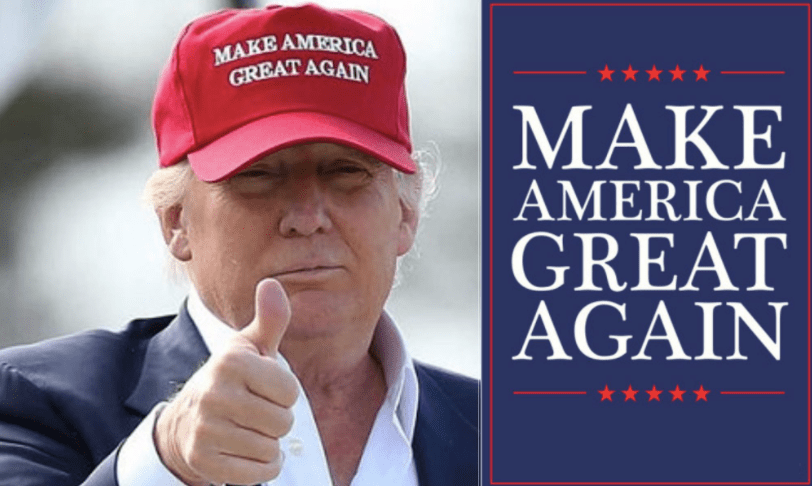
Make-america jpg. via https://www.rsquare.media/trump

The Trump administration time and time again has shown their disinterest in the legalization of cannabis at the federal level. Trump’s new fiscal budget for 2021 proposes ending state medical marijuana protections and blocking DC from legalizing. By ending the existing approved medical cannabis policy, the Justice Department can freely interfere with state medical programs starting next year. This means the justice department will be able to prevent states from implementing their own laws that authorize the use, distribution, possession or cultivation of medical cannabis. This bill would also block Washington, D.C. from utilizing local tax dollars for cannabis sales. The government is doing everything they can already to prevent the legalization of cannabis with current taxes driving the industry into the ground. 2019 was the worst year for legal cannabis to date. Cannabis business owners and start ups are going bankrupt or moving operations to Canada to avoid the harsh taxes and laws that currently plague the legal industry.

The Trump administration’s interests in keeping the cannabis plant illegal are economic and political, not humanitarian. Trump does not care for medical patients, they care about the bottom line and “mAkInG AmErIcA gReAt aGaIn”. Historically large corporations such as Big Pharma, Big Tobacco, and the Paper industry have fought to keep cannabis illegal to protect their revenue and their businesses. Cannabis is the only other player in the game and it’s a safer and more environmentally sustainable alternative to pharmaceuticals and paper products. Pharmaceutical companies have invested millions of dollars into anti-legalization efforts via lobbying. The legal cannabis industry threatens the economic interests of these massive companies and the corruption goes deeper than many of us truly understand. The PR and economic resources these pharmaceutical companies have at their disposal allow them to keep the public perception of cannabis negative. The current opioid epidemic raging throughout our country killing hundreds of Americans every day clearly doesn’t concern these business giants, just the bottom line and how their business stocks are looking for their investors.

No comments to show.